This global macroeconomic analysis estimates that diabetes mellitus will cost the world economy INT$10.2 trillion between 2020 and 2050, rising to INT$78.8 trillion when unpaid informal caregiving is included. Using a health-augmented economic model across 204 countries, the study shows that informal care is the dominant and most underestimated driver of diabetes-related economic losses worldwide.
Metabolic diseases have reached epidemic proportions in our society, driven by a sedentary lifestyle coupled with circadian misalignment - a desynchrony between our intrinsic biological clocks and environmental signals.
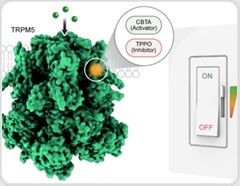
Researchers at Northwestern University have discovered a concealed molecular "control switch" within a protein that plays a crucial role in the body's ability to perceive taste, regulate blood sugar, and protect the gut.
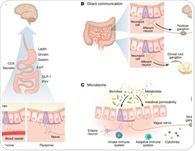
This comprehensive review synthesizes a decade of human and animal research to explain how the gut and brain communicate through hormonal, neural, immune, and microbial pathways. It highlights how disruptions in these pathways contribute to gastrointestinal, metabolic, and neurological disorders, and how modern therapies are beginning to exploit gut–brain signaling for clinical benefit.
For centuries, Borago officinalis - commonly known as Borage or the Starflower - has been a staple of traditional medicine.
Why did you receive this email?
You are receiving this email because you subscribed to updates from AZoNetwork UK Ltd. on one of
our websites
and requested to be notified of additional information.